

.blog Academy → Step 6: Content Strategy
From inspiration to intention — designing a plan that keeps your content purposeful and your creativity alive.
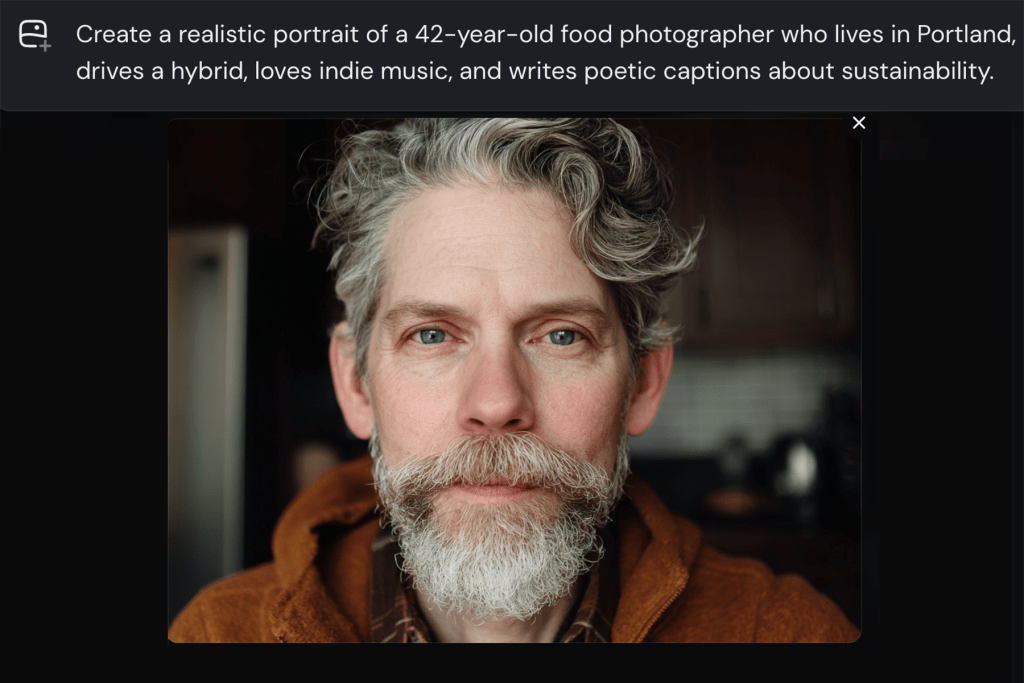
In Step 5, you gave your audience a face.
Now, it’s time to decide what you’ll say to them — and why.
This is where strategy meets storytelling. A content strategy helps you transform ideas into an ongoing conversation — one that grows trust, builds momentum, and keeps you creating with confidence.
In other words, it’s not about posting more. It’s about publishing with purpose.
The Creator’s Goal
A strong content strategy helps you:
- Stay consistent without feeling constrained.
- Turn ideas into a cohesive narrative instead of scattered posts.
- Keep your audience engaged from one piece to the next.
- Free yourself from the “What should I post?” spiral.
It’s a plan that supports creativity, not one that stifles it.
Why This Matters
When you publish ithout direction, your content might be good — but it’s rarely compelling.
When you plan with intention, each piece builds on the last.
Strategy gives your creativity structure. It ensures that every article, image, and headline contributes to a bigger story: why you create, and who you’re creating for.
How to Build Your Content Strategy (Step by Step)
1. Start with your audience persona.
Everything begins here.
Revisit the personas you created in Step 5.
Ask:
- What are they curious about right now?
- What challenges can I help them solve?
- What topics or formats will resonate most?
Your strategy is only as strong as your understanding of who’s listening.
2. Define your content pillars.
Choose three to five themes that anchor your blog.
These are the topics you’ll return to again and again — your creative compass.
Think of them as the categories your audience comes to trust you for.
💡 Example:
A food creator might center around recipes, cooking techniques, kitchen stories, and sustainability.
A leadership blogger might focus on communication, mindset, productivity, and personal reflections.
Each piece of content should connect back to at least one pillar.
3. Plan your creative rhythm.
Forget the pressure of rigid calendars.
Instead, build a rhythm — a repeatable pattern that fits your energy and capacity.
A simple cycle might look like this:
One long-form blog post → a few short social posts → a newsletter reflection
The goal isn’t volume — it’s momentum.
Set a rhythm you can sustain for months, not just weeks.
4. Balance evergreen and timely content
- Evergreen = always relevant (tutorials, lessons, reflections)
- Timely = seasonal or trend-based (events, reactions, updates)
A healthy mix keeps your content both searchable and fresh.
For example:
Evergreen → “How to Stay Consistent as a Creator”
Timely → “What AI Means for Independent Bloggers in 2025”
5. Choose your core platforms wisely.
Your blog is your home base — where your ideas live, grow, and belong to you.
Social media platforms are satellites: they amplify your voice, but they don’t replace your foundation.
Ask yourself:
- Which platforms best fit your style and audience?
- Where do you want conversations to happen — on borrowed platforms or on your own domain?
Remember: everything should lead back to your blog. That’s where ownership — and longevity — live.
6. Build a simple content map.
List your content pillars on one side and your audience personas across the top.
Then fill in a few ideas for each intersection.
For instance:
- Creative Explorer + Inspiration Pillar → “Behind the Scenes: How I Find Ideas”
- Authority Persona + Leadership Pillar → “The 3 Habits That Build Credibility Online”
You’ll quickly see where your strategy is strong — and where it needs more variety.
7. Measure what matters.
Data isn’t the enemy of creativity; it’s feedback from your audience.
Track:
- Which posts get the most thoughtful comments.
- Which topics lead to newsletter signups or shares.
- What keeps people reading.
Then use those insights to refine your next cycle.
Your audience is always teaching you what resonates — if you listen.
Common Mistakes to Avoid
1. Creating without connection.
Sometimes, creating content is just about getting your thoughts down. It’s important to make sure your audience understands you so you can be understood and appreciated.
2. Trying to be everywhere.
Focus on the channels where your readers — and your creativity — feel most alive.
3. Overplanning.
Leave room for spontaneity. Some of the best posts come from curiosity, not calendars.
4. Ignoring what works.
Your analytics are clues, not judgments. Follow the ones that lead to genuine engagement.
📝 Your Turn
Look back at your audience persona notes and sketch out the foundation of your strategy.
Ask yourself:
- What are my 3–5 core content pillars?
- What does my audience need to learn, feel, or do next?
- What posting rhythm feels sustainable?
- Which platforms truly support my goals?
Then create a one-month plan using your answers as a guide.
It doesn’t have to be perfect — it just has to begin.
Consistency builds clarity.
Clarity builds trust.
And trust is what keeps your audience coming back.
Next Up in the Academy
Now that you know what to publish and why, it’s time to plan where your visitors will experience it.
In Step 7: Website Experience & Visual Flow, we’ll translate your strategy into structure — exploring layout, navigation, and design choices that make your content easy to find, read, and love.

 Knock Knock WHOIS There